Deck Builder Secrets: Tips for a Flawless Outdoor Living Space
Crafting a perfect backyard haven calls for thorough assessment of numerous architectural features. Professional deck constructors stress the necessity of selecting resilient building materials that additionally boost design beauty. Strategic structural configurations can turn a plain deck area into a multifunctional retreat. However, numerous homeowners overlook essential features that profoundly influence durability and enjoyment. Understanding these factors is essential for attaining the ideal end result. What are the defining principles that can advance an outdoor space from review now average to outstanding?
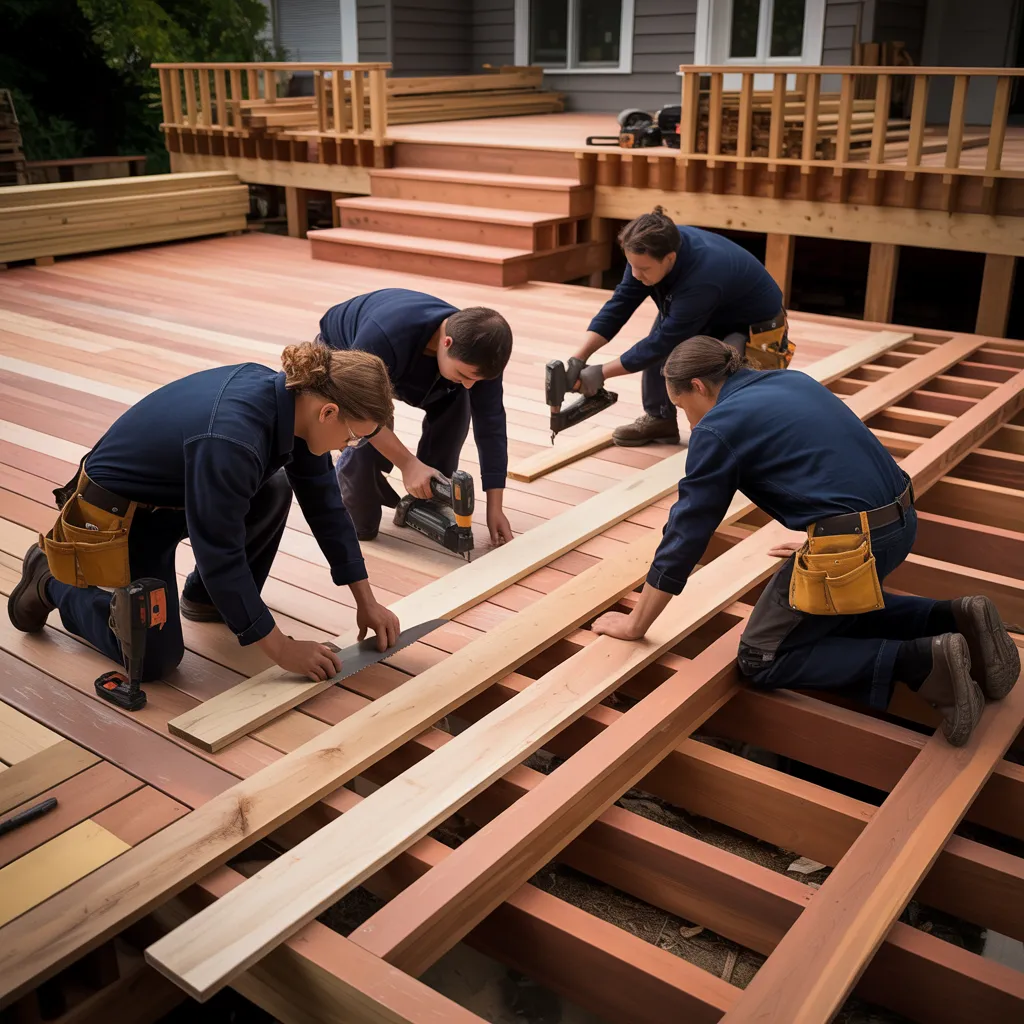
How to Choose Durable and Aesthetic Materials for Your Deck
When selecting materials for a deck, how do homeowners find the right balance between durability and visual appeal? It is a common challenge for homeowners to find materials that are both resilient against the elements and visually appealing for their outdoor space. As an example, composite decking delivers both durability and aesthetic appeal, withstanding rot and color fading while capturing the look of real wood. Hardwoods like teak or cedar offer exceptional visual appeal but demand consistent upkeep to preserve their lifespan.
Furthermore, metal railings can provide a contemporary aesthetic while ensuring strength and stability. Residents should also weigh elements such as local climate, maintenance demands, and overall budget when finalizing their decisions. When all is said and done, a thoughtful selection of materials can create a deck that stays attractive through the years, standing up to both outdoor conditions and changing tastes. Harmonizing these aspects will lead to a deck that is both durable and aesthetically pleasing.
Creating Your Deck for Maximum Functionality
When planning a deck to maximize functionality, thoughtful attention to space utilization is crucial. Integrating multi-functional elements can improve usability, while a well-planned flow design ensures seamless movement throughout the space. These aspects unite to deliver a versatile and enjoyable outdoor environment.
Maximize Space Efficiency
Optimizing space usage on a deck transforms it into a multifunctional oasis for leisure and hosting. To achieve this, thoughtful planning is essential. Experts frequently suggest creating separate areas for multiple functions, such as relaxing, eating, and growing plants, to boost practicality. Adding built-in benches can free up floor space, while vertical additions like storage units or planters make efficient use of height. Additionally, opting for furniture that is easy to move or store keeps the space adaptable for events. Choosing multi-tiered designs creates multiple tiers, adding visual interest and functional space. At the end of the day, careful organization and deliberate decisions guarantee that every square foot serves a purpose, enhancing both the aesthetics and practicality of the outdoor living area.
Add Multi-Functional Features
Transforming a deck into a versatile space requires the inclusion of diverse features that cater to various needs. A practical method is to integrate built-in seating with storage options, allowing for both relaxation and organization. Furthermore, incorporating a dining area that can function as a workspace improves versatility, making the deck ideal for meals or remote work. Adding adjustable shade structures can offer relief throughout different times of the day, while outdoor kitchens or bar areas encourage social gatherings. In addition, consider adding planters that can act as privacy screens, merging aesthetics with utility. By thoughtfully designing these elements, a deck can become a versatile outdoor extension of the home, accommodating a wide range of activities and lifestyles.
Emphasize Flow Design
A carefully planned deck prioritizes flow, ensuring that movement between various spaces remains comfortable and effortless. This can be achieved by strategically placing furniture, pathways, and features that guide the eye and foot traffic. Experts suggest creating distinct areas for dining, lounging, and cooking, while keeping open sections to avoid congestion. Furthermore, using materials and colors that harmonize with the house's facade strengthens design consistency. Incorporating accessible pathways or tiered levels can enhance ease of movement, while rounded arrangements encourage social interaction. Attention to lighting also plays a significant role; well-lit pathways and cozy corners invite after-dark relaxation. In the end, emphasizing purposeful design improves usability and pleasure, making the deck an integrated part of the household.
Incorporating Key Features for Outdoor Comfort and Aesthetic Appeal
When designing a welcoming outdoor living area, the significance of inviting seating configurations cannot be understated. Combining these selections with mood-enhancing lighting solutions elevates both the comfort and aesthetic, transforming the deck into an ideal sanctuary. Together, these features transform a simple deck into a welcoming oasis.
Relaxing Seating Layouts
Crafting appealing outdoor environments frequently depends on proper seating configurations, as they can significantly improve both comfort and style. A thoughtfully designed seating space encourages rest and promotes social interaction. Combining a variety of lounge chairs, sofas, and benches can suit a range of interests and uses. Resilient materials, such as all-weather textiles and sealed timber, guarantee longevity while maintaining aesthetic appeal. Moreover, organizing seating in a curved or grouped arrangement can encourage interaction and a welcoming atmosphere. Thoughtful positioning near key features, like garden beds or fire pits, adds greater appeal to the setting. To complete the look, incorporating plush cushions and blankets not only enhances comfort but also ties the design together, establishing a warm environment that entices visitors to remain.
Ambient Lighting Options
Cozy seating arrangements naturally benefit from the right ambient lighting, which elevates both usability and decorative charm. Gentle, warm illumination establishes an inviting ambiance, turning outdoor spaces into welcoming retreats once the sun goes down. String lights are a popular choice, hanging beautifully across pergolas or trees to deliver a magical ambiance. Solar-powered lanterns and pathway lights offer both practicality and style, lighting up walkways while cutting down on electricity usage. For a contemporary flair, LED lights can be incorporated into deck railings or stairways, enhancing safety and design. Additionally, dimmable options allow for customizable brightness, suiting different occasions and preferences. Incorporating these lighting solutions not only elevates outdoor comfort but also extends the usability of the space, making it perfect for entertaining or peaceful nights beneath the night sky.
Setting Up Your Deck for All Seasons?
Routinely preparing a deck across all seasons preserves its lifespan and attractive appearance. During spring, inspecting for winter damage and cleaning the surface is essential. Removing debris and applying a wood cleaner can rejuvenate the surface. Summer preparations involve sealing or staining to protect against UV rays and moisture. Routine upkeep, such as sweeping and inspecting for loose boards, supports safety and appearance.
As autumn approaches, a detailed cleaning becomes essential to get rid of fallen leaves and prevent mold growth. Using a protective sealant can provide defense against cold winter elements. In winter, using a tarp to cover the deck or employing a snow blower to clear snow can avoid ice from forming. Consistently examining the structure for any indications of wear and tear is crucial. By carrying out these seasonal steps, homeowners can guarantee their deck continues to be an attractive and practical extension of their living space year-round.
Understanding Local Regulations for Deck Construction
When planning deck construction, knowing local regulations is crucial for safety and compliance. Such regulations can differ significantly by location, making it necessary for contractors to research particular requirements in their area. Zoning regulations commonly establish setbacks, height constraints, and permitted material types, making certain that decks do not infringe on neighboring properties or conflict with community guidelines.
Additionally, acquiring the necessary building permits is an important step in the renovation process. Not obtaining these permits can lead to fines, forced demolition, or complications when selling the property. Residents should reach out to experienced professionals or local building authorities familiar with regional building regulations.
Lastly , adherence to safety regulations , such as load capacities and railing heights , is essential to safeguard those using the space . By carefully following and adhering to these regulations , contractors can develop a protected and functional outdoor environment that increases the value of the property .
Maintaining Your Deck for Long-Lasting Enjoyment
Even though a brand new deck can elevate your outdoor area, caring for it is vital for securing its longevity and aesthetic appeal. Routine maintenance habits, such as washing and waterproofing, can guard against deterioration from humidity, sun exposure, and insects. It is advisable to regularly sweep the deck to remove debris and prevent mold growth.
Pressure washing annually can successfully remove dirt and blemishes, while using a premium sealant every two or three years safeguards the wood from environmental damage. Examining the deck to identify warped boards, rusted fasteners, or stability problems should be a routine practice to catch problems early.
Furthermore, opting for the right building materials, like composite materials, can decrease the need for maintenance. By following these upkeep strategies, home and property owners can enjoy their outdoor retreats for the long term, sustaining both beauty and functionality in their outdoor areas.

Frequently Asked Questions
How Do I Integrate Plants Into My Deck Design?
To integrate plants into a deck design, you can utilize planter boxes, hanging pots, or vertical gardens. Picking diverse heights and colors improves visual appeal, while providing adequate sunlight and drainage encourages thriving plant development.
Which Lighting Options Can Improve My Outdoor Living Area?
Solar path lights, string lights, and lanterns elevate outdoor spaces by creating warm, inviting atmospheres. Adjustable dimmers and LED lighting offer flexible lighting control, ensuring the area remains functional and aesthetically pleasing during evening gatherings.
How Do I Choose Furniture That Complements My Deck?
When selecting furniture that pairs well with a deck, it is important to consider the deck's style, color scheme, and size. Selecting weather-resistant materials and harmonizing colors enhances aesthetics while ensuring lasting comfort and resilience for enjoying the outdoors.
What Are a Few Creative Storage Options for Outdoor Areas?
Clever storage options for outdoor areas feature incorporating storage benches with concealed compartments, vertical planters, decorative baskets, and wall-mounted shelves. These choices optimize space while ensuring items remain organized and within reach, enhancing both functionality and aesthetics.
How Do I Add Privacy to My Deck?
To achieve deck privacy, homeowners can incorporate tall planters, trellises adorned with climbing vines, or outdoor curtains. Additionally, carefully positioned bamboo panels or screens can effectively block intrusive views while elevating the exterior appearance.